
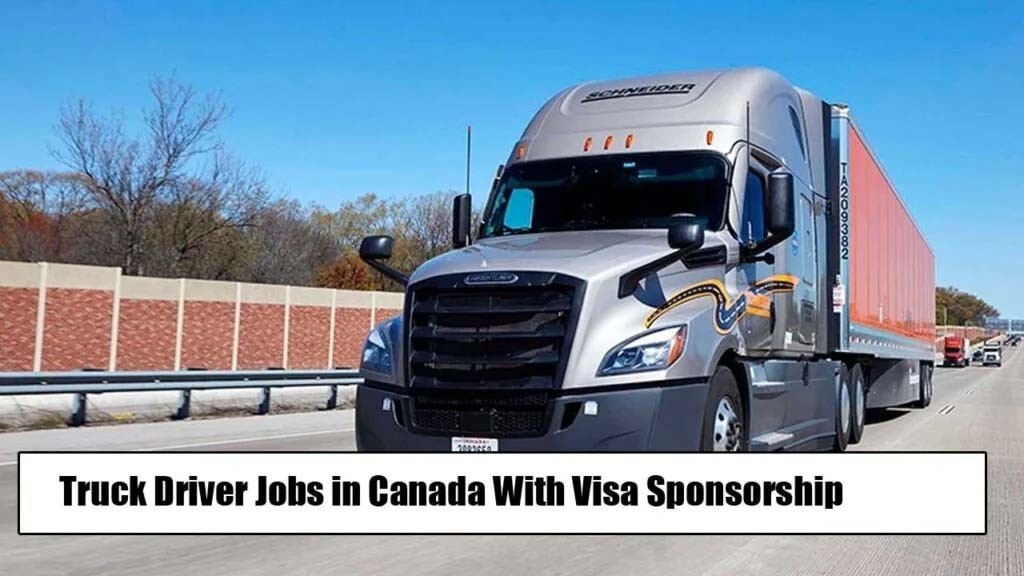
Canada continues to face significant labour-market challenges in the trucking industry. An aging workforce, retirements, regional shortages and the continued demand for freight transportation have created opportunities for qualified commercial drivers.
As a result, international workers increasingly see Canadian truck-driving jobs as a potential route to employment and, in some cases, permanent residence. Job advertisements mentioning LMIA sponsorship, relocation assistance and competitive wages can be found across provinces such as British Columbia, Alberta, Manitoba and Saskatchewan.
But there is an important distinction between a legitimate employer-sponsored opportunity and an offer designed to take advantage of someone who desperately wants to move to Canada.
For foreign truck drivers considering Canada in 2026, understanding how the LMIA process actually works—and recognizing the warning signs of fraudulent recruitment—is essential.
Why Canada Needs Truck Drivers
Canada’s trucking industry plays a critical role in moving food, consumer products, construction materials and other goods across the country.
The industry has experienced long-standing recruitment and retention challenges. Many experienced drivers are approaching retirement, while trucking companies continue to compete for qualified workers.
Transport truck drivers are classified under NOC 73300, and employment opportunities exist in long-haul, regional and specialized transportation.
However, a labour shortage does not mean that every truck-driving position automatically qualifies for an LMIA or work permit.
Employers and foreign workers must meet specific federal requirements.
How LMIA Sponsorship Actually Works
The Labour Market Impact Assessment (LMIA) is not a visa issued directly to a foreign worker.
Instead, an employer generally needs to demonstrate to Employment and Social Development Canada (ESDC) that hiring a temporary foreign worker is justified under the applicable program requirements.
A simplified process may look like this:
- A Canadian employer identifies a genuine vacancy.
- The employer meets the applicable recruitment and advertising requirements.
- The employer applies for an LMIA, where one is required.
- ESDC assesses the application.
- If a positive LMIA is issued, the foreign worker can use the supporting documentation to apply for a work permit.
- The worker must also meet Canada’s immigration, medical, security and other eligibility requirements.
The exact process can vary according to the wage level, occupation, province, employer and temporary foreign worker stream.
An LMIA approval therefore does not automatically guarantee a Canadian work permit, permanent residence or citizenship.
The Biggest Risk: Fake LMIA Job Offers
One of the most important issues prospective workers should understand is that legitimate LMIA sponsorship should not be confused with the sale of Canadian jobs.
Fraudulent recruiters and unauthorized representatives may advertise supposedly guaranteed Canadian employment and demand large payments in exchange for an LMIA, job offer or work permit.
This can leave applicants with substantial financial losses and no legitimate employment.
Some workers have also reported situations involving wage deductions, misleading contracts, nonexistent jobs or employers who failed to provide the employment that was promised.
These cases highlight an important point:
A job advertisement mentioning “LMIA sponsorship” does not prove that the employer is legitimate.
Applicants should independently verify the company, the position and the recruitment process before sending money or personal documents.
Can Someone Sell You an LMIA?
A legitimate employer may have to pay government fees and recruitment-related costs associated with the LMIA process.
That does not mean a foreign worker should purchase an LMIA or pay a recruiter for a guaranteed positive decision.
Applicants should be extremely cautious if someone says:
- “Pay us and your LMIA is guaranteed.”
- “The employer will sell you the job.”
- “You don’t need driving experience.”
- “Your visa is guaranteed.”
- “Pay first and we will provide the contract later.”
- “You must send money to secure your LMIA.”
- “We can guarantee permanent residence after arrival.”
No legitimate consultant or recruiter can guarantee an LMIA approval, work permit or permanent residence outcome.
Why Truck Drivers Should Be Especially Careful
Truck driving is not simply a job title that can be used to enter Canada.
Commercial driving involves safety regulations, licensing requirements, vehicle inspections, hours-of-service rules and significant responsibility on Canadian roads.
Foreign drivers may need to obtain or exchange their commercial driver’s licence according to the rules of the province or territory where they will work.
They may also need to demonstrate relevant driving experience, medical fitness and other qualifications.
Experience with Canadian road conditions can also be important, particularly for drivers working through difficult winter conditions.
Applicants should never accept a trucking position simply because someone promises immigration benefits.
The employment itself needs to be genuine.
The Impact on Canadian Truck Drivers
Concerns about temporary foreign workers in trucking are not limited to immigration.
Canadian trucking organizations, employers and workers have debated how recruitment practices affect wages, working conditions, safety and labour-market shortages.
Foreign workers can play an important role in addressing genuine labour shortages, but recruitment should not be used as a substitute for improving wages, working conditions and training opportunities.
A sustainable trucking workforce requires both responsible international recruitment and investment in Canadian workers.
Where Legitimate Opportunities Can Be Found
International truck drivers looking for Canadian employment should begin with legitimate sources.
Useful places to research include:
- Canada’s official Job Bank
- Trucking company career pages
- Provincial employment resources
- Established recruitment firms
- Verified employer websites
- Industry associations
Do not rely solely on screenshots, Facebook posts, WhatsApp messages or social-media advertisements claiming that an employer has “hundreds of LMIA jobs.”
Verify the company independently.
Search for its physical business presence, corporate information, website, employment history and contact details.
What a Genuine Job Offer Should Contain
Before accepting a position, request a written employment agreement containing clear information about:
- Employer’s legal name
- Job title
- Job duties
- Wage or salary
- Working hours
- Overtime arrangements
- Work location
- Employment duration
- Benefits, if applicable
- Deductions
- Recruitment arrangements
- Contact information for the employer
The information should be consistent across the job advertisement, employment agreement and immigration application.
If the recruiter gives you documents containing different employer names, salaries or job descriptions, stop and investigate before proceeding.
Never Ignore Recruitment Fees
One of the biggest warning signs is a demand for a large payment in exchange for employment or immigration approval.
Applicants should understand exactly what they are being asked to pay and why.
Government application fees are different from unofficial recruitment charges.
If someone demands thousands of dollars for a supposed “guaranteed LMIA,” seek independent advice before paying.
A legitimate immigration professional should also provide clear information about their services and fees.
What Applicants Should Prepare
A strong truck-driver application typically starts with genuine qualifications and verifiable experience.
Depending on the position, applicants may need:
- A valid passport
- Commercial driving experience
- Driving records
- Employment reference letters
- Relevant licences
- Medical documentation where required
- Police certificates where required
- Language ability where applicable
- Educational or professional documents
- A genuine Canadian employment offer
Applicants should make sure their work history can be independently verified.
Do not exaggerate driving experience or submit altered employment records.
Misrepresentation can have serious immigration consequences.
Permanent Residence: Don’t Assume an LMIA Guarantees PR
One of the biggest misconceptions surrounding Canadian trucking jobs is that an LMIA automatically leads to permanent residence.
It does not.
An LMIA may support a temporary work permit, but permanent residence is a separate immigration process.
Some provincial nominee programs and federal immigration pathways may provide opportunities for eligible truck drivers, but requirements vary.
Factors can include:
- Work experience
- Language ability
- Education
- Age
- Job offer
- Province
- Occupation
- Immigration stream
- Canadian work experience
Provincial programs can also change their eligibility requirements, intake periods and occupational priorities.
Anyone promising “LMIA today, PR guaranteed tomorrow” should be treated with extreme caution.
What to Do If You Experience Workplace Abuse
Temporary foreign workers have rights under Canadian employment and immigration law.
If an employer threatens, abuses or exploits a worker, the worker should seek help rather than assuming they must remain silent because their work permit is employer-specific.
Canada has measures that can allow eligible temporary foreign workers experiencing abuse to apply for an open work permit for vulnerable workers.
The eligibility requirements apply, and workers should obtain information from official Canadian government sources or an authorized immigration professional.
Keep copies of:
- Employment contracts
- Pay statements
- Work schedules
- Text messages
- Emails
- Recruitment agreements
- Immigration documents
- Records of payments
- Any evidence relating to threats or abuse
Documentation can be extremely important when reporting misconduct.
How to Protect Yourself in 2026
If you are considering a truck-driving job in Canada, follow these basic precautions:
1. Verify the employer
Research the company independently rather than relying on the recruiter.
2. Verify the job
Make sure the position actually exists and that the duties and salary match the written offer.
3. Do not purchase an LMIA
Be extremely cautious about anyone selling a supposed guaranteed LMIA or work permit.
4. Check the immigration rules
Use official Canadian government sources to verify current requirements.
5. Confirm licensing requirements
Commercial driving licences are regulated provincially, so determine what is required in the province where you will work.
6. Keep your documents
Save copies of your contract, application documents, payment records and communications.
7. Be skeptical of guarantees
No recruiter can legitimately guarantee immigration approval simply because you pay a fee.
The Real Opportunity in Canadian Trucking
Canada does have genuine opportunities for qualified truck drivers, and foreign workers can play a legitimate role in addressing labour shortages.
But the existence of demand should not be mistaken for an immigration shortcut.
The safest approach is to focus on genuine employment, verified employers, transparent recruitment and compliance with Canadian immigration and employment laws.
If a company genuinely needs a qualified driver, it should be able to explain the position, compensation, licensing requirements and immigration process clearly.
If someone instead focuses on collecting money and repeatedly promises a guaranteed LMIA, visa or permanent residence, that is a major warning sign.
Final Thoughts
Truck driver jobs in Canada can provide legitimate opportunities for qualified international workers in 2026. However, the LMIA process is not a ticket that can simply be purchased.
The best protection is research.
Verify the employer. Confirm the job. Understand the work permit process. Check licensing requirements. Keep your documents. And never assume that a recruiter’s promise of “LMIA sponsorship” means that the opportunity is genuine.
Canada needs professional truck drivers—but workers deserve legitimate jobs, fair treatment and transparent immigration processes.
