
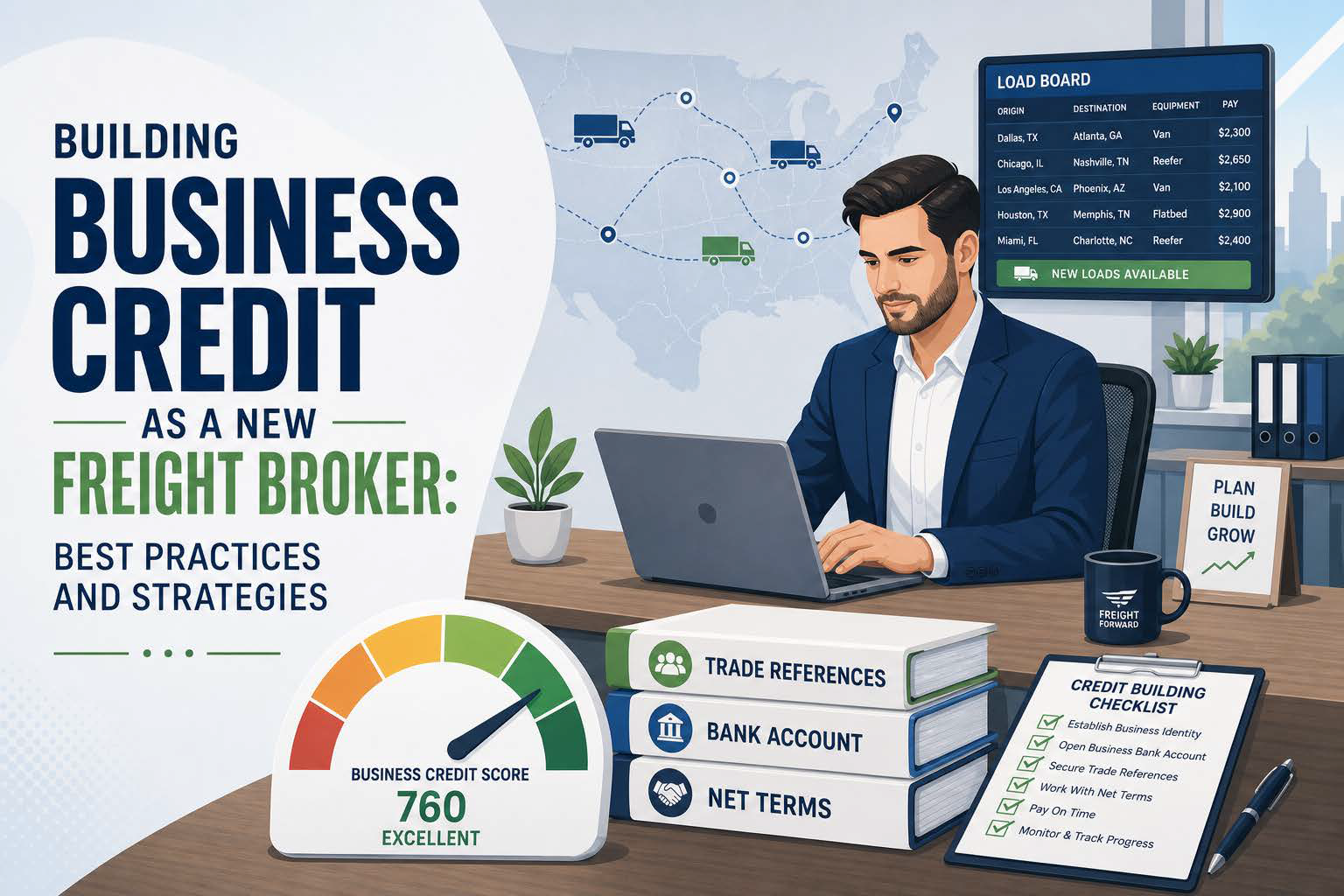
Building a strong credit score from scratch is one of the most critical steps when relocating to countries like the US, Canada, or the UK. Because domestic credit bureaus operate regionally, new arrivals face a common hurdle: being “credit invisible” despite having a flawless financial history back home.
Below is a structured breakdown of how credit scoring works for newcomers, along with strategies to build a 700+ score within your first 6 to 12 months.
1. Why Your Credit Score Is Critical
In North America and the UK, a credit score serves as a general “trust rating” used across multiple industries:
-
Housing: Landlords perform credit checks to determine security deposit amounts or rental eligibility.
-
Telecom & Utilities: Mobile carriers and energy providers use your score to waive upfront cash deposits on postpaid plans and utilities.
-
Auto Loans & Mortgages: A prime score (700+) directly reduces interest rates on vehicles and home loans.
-
Employment Background Checks: Certain regulated industries (finance, law, tech) view credit reports as a gauge of financial responsibility.
2. Fast-Track Credit Building Pathways
| Pathway | Ideal Candidate | Key Mechanism |
| Secured Credit Card | New arrivals with no local credit history | Requires a refundable cash deposit (e.g., $500) which serves as your credit limit. Reports monthly payments to major credit bureaus. |
| Newcomer Bank Accounts | Immigrants opening primary checking/savings accounts | Major banks (e.g., RBC, TD, Chase) offer entry-level unsecured cards based on initial deposit balances rather than local credit history. |
| Cross-Border Credit Transfer | Cardholders moving with existing Amex or Nova Credit partners | Services like American Express Global Card Relationship or Nova Credit pull credit history directly from select home countries. |
| Credit Builder Loans | Individuals looking to diversify their credit mix | A fixed amount (e.g., $1,000) is held in a locked savings account while you make monthly installments. Unlocks once fully paid. |
| Authorized User Status | Immigrants with family members already established locally | Being added to a family member’s long-standing, well-managed card account copies their positive payment history to your credit profile. |
3. The Mathematics of Credit Optimization
To build credit fast, pay close attention to Credit Utilization—the ratio of your reported balance to your total limit. Utilization accounts for roughly 30% of your total score calculation.
$$\text{Credit Utilization Ratio} = \left( \frac{\text{Total Current Balance}}{\text{Total Credit Limit}} \right) \times 100$$
Optimization Target
-
Ideal Range: Keep utilization under 10% (and strictly under 30%).
-
Example: If your secured card limit is $500, your monthly statement balance should not exceed $50 before paying it off in full.
4. Pitfalls to Avoid
Important Rule: Paying your balance in full every month avoids high annual percentage rates (APR), which often exceed 25–29% on entry-level or secured cards.
-
Fee-Harvester Cards: Steer clear of cards charging high setup fees, monthly maintenance fees, or annual fees exceeding $35 unless offset by verified rewards.
-
Multiple Hard Inquiries: Avoid applying for multiple traditional unsecured cards simultaneously during your first 90 days, as “hard pulls” temporarily lower your score.
-
Carrying a Balance: Myth: “Carrying a small balance builds credit faster.” Fact: Paying your full statement balance before the due date builds your score just as quickly while incurring $0 in interest.
Action Plan for Your First 90 Days
-
Month 1: Open a local checking account and apply for a Secured Credit Card or utilize a Cross-Border Transfer option.
-
Month 2–5: Put a small recurring expense (e.g., a streaming subscription) on the card, set up Autopay for the full balance, and maintain utilization under 10%.
-
Month 6: Check your score via free credit reporting services (e.g., Credit Karma, Experian, or your bank’s native credit tracker). Request a line increase or product switch to an unsecured card.
